San Pedro Cactus Powder: Benefits, Traditional Applications, and Product Quality Guide

Introduction
San Pedro Cactus Powder is a botanical product derived from Echinopsis pachanoi, a fast-growing columnar cactus native to the Andes Mountains of South America. This plant has been cultivated for centuries in regions such as Peru, Ecuador, and Bolivia, where it holds cultural, ecological, and ornamental importance. In modern markets, San Pedro Cactus Powder is often sold for botanical study, landscaping, and traditional plant research purposes. Because demand has increased globally, understanding its background, quality factors, and sourcing considerations is essential for buyers and enthusiasts.
This article explores the botanical significance of the plant, its historical context, and a practical guide to evaluating product quality in a responsible and informed way.
Botanical Background of San Pedro Cactus
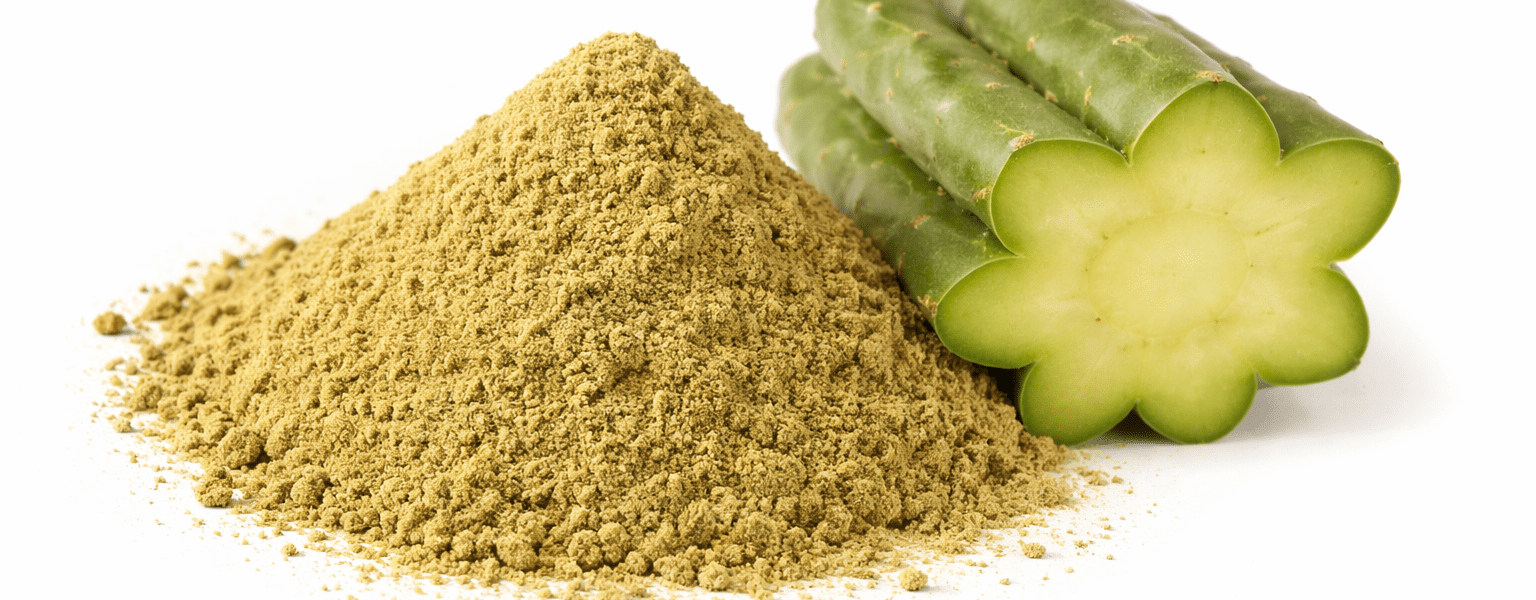
San Pedro cactus belongs to the Cactaceae family and is known for its tall, green, ribbed structure that can grow several meters in height under suitable conditions. It is a hardy plant that thrives in dry, high-altitude environments, making it well adapted to the harsh climates of the Andes.
The cactus has multiple growth segments and produces white flowers that typically bloom at night. Its ability to survive in arid regions makes it an important species in ecological landscaping and soil stabilization projects. San Pedro Cactus Powder is typically made from dried cactus tissue that has been processed into a fine form for storage, transport, or research use.
Traditional and Cultural Applications
Historically, San Pedro cactus has been part of Andean cultural traditions for thousands of years. Indigenous communities in Peru and surrounding regions have long regarded the plant as a sacred species used in ceremonial and spiritual contexts.
In traditional settings, the cactus has been associated with cultural rituals, healing practices, and symbolic ceremonies that connect communities with nature. These practices are deeply rooted in indigenous belief systems and are considered an important part of cultural heritage.
It is important to note that modern discussions around San Pedro Cactus Powder should respect its traditional significance and cultural origins. Many communities continue to protect and preserve their ancestral knowledge related to this plant.
Modern Uses and Applications
In contemporary contexts, San Pedro cactus is widely studied in botany, horticulture, and ethnobotany. Researchers are interested in its resilience, growth patterns, and ability to thrive in extreme environments. Gardeners and collectors often cultivate the cactus as an ornamental plant due to its striking appearance and low maintenance requirements.
San Pedro Cactus Powder is sometimes used in botanical research, where plant material is analyzed for scientific study. It may also be used in educational settings to help students understand cactus biology, plant adaptation, and desert ecosystems.
However, its handling and distribution can be subject to legal restrictions depending on the region, so it is important for buyers to be aware of local regulations.
Product Quality Factors
When evaluating San Pedro Cactus Powder, several factors determine the quality of the product. One of the most important is the source of the plant material. Cacti grown in healthy, well-managed environments tend to produce more consistent and higher-quality material.
Processing methods also play a major role. High-quality powder is typically produced through careful drying and grinding processes that preserve the plant’s natural structure. Poor processing can lead to uneven texture, discoloration, or contamination.
Key indicators of quality include:
- Fine and consistent texture
- Natural green to light green coloration
- Absence of foreign materials
- Proper drying without moisture retention
- Clean and well-sealed packaging
Proper handling ensures that the powder maintains stability during storage and transportation.
Importance of Ethical Sourcing
Ethical sourcing is increasingly important in the global botanical market. Responsible suppliers of San Pedro Cactus Powder prioritize sustainable cultivation practices that protect wild populations and natural ecosystems.
Cultivated cactus farms help reduce pressure on wild plants while ensuring a steady and controlled supply. Ethical sourcing also supports local growers and encourages environmentally friendly agricultural practices.
Buyers should look for suppliers who clearly state whether their product is wild-harvested or cultivated, as this information reflects both environmental responsibility and product consistency.
Storage and Preservation
Proper storage is essential to maintaining the quality of San Pedro cactus powder. Like many plant-based materials, it can degrade when exposed to moisture, heat, or direct sunlight.
To preserve quality, it should generally be stored in:
- Airtight containers
- Cool, dry environments
- Dark storage areas away from sunlight
- Low-humidity conditions
Good storage practices help prevent clumping, discoloration, and loss of structural integrity over time.
Legal Considerations
The legal status of San Pedro cactus and its derivatives varies widely depending on the country or region. While the plant itself is often legal to grow and possess as an ornamental species, certain uses or preparations may be regulated.
Before purchasing San Pedro Cactus Powder, buyers should always check local laws and regulations to ensure compliance. Legal frameworks can differ significantly, and responsibility lies with the consumer to understand applicable restrictions.
How to Identify Reliable Suppliers
Choosing a trustworthy supplier is essential when purchasing botanical products. Reliable vendors of San Pedro Cactus Powder typically provide clear product descriptions, transparent sourcing information, and responsive customer support.
Signs of a reputable supplier include:
- Clear botanical identification (Echinopsis pachanoi)
- Transparent cultivation or sourcing details
- Positive customer feedback
- Professional packaging and labeling
- Willingness to answer product questions
Avoiding suppliers with vague or incomplete information can help ensure better product quality and consistency.
Common Quality Issues
Not all San Pedro cactus powder available on the market meets high-quality standards. Some common issues include:
- Improper drying leading to moisture retention
- Inconsistent grinding resulting in uneven texture
- Contamination with foreign materials
- Poor storage causing discoloration
- Lack of sourcing transparency
Being aware of these issues can help buyers make more informed decisions when selecting a product.
Environmental Importance
San Pedro cactus plays an important role in its native ecosystems. It helps stabilize soil in dry regions and provides habitat for certain wildlife species. As a drought-resistant plant, it contributes to ecological balance in arid environments.
Sustainable cultivation of San Pedro Cactus Powder supports conservation efforts by reducing pressure on wild populations and promoting responsible agricultural practices.
Conclusion
San Pedro Cactus Powder is a plant-based product with deep botanical, cultural, and ecological significance. From its origins in the Andes to its modern use in horticulture and research, the cactus continues to attract global interest.
Understanding its background, quality indicators, and sourcing practices is essential for responsible purchasing. Buyers should focus on ethical suppliers, proper processing, and legal compliance to ensure they receive a safe and high-quality product.
By respecting both its natural and cultural importance, consumers can engage with San Pedro cactus in a way that supports sustainability, education, and environmental awareness.