
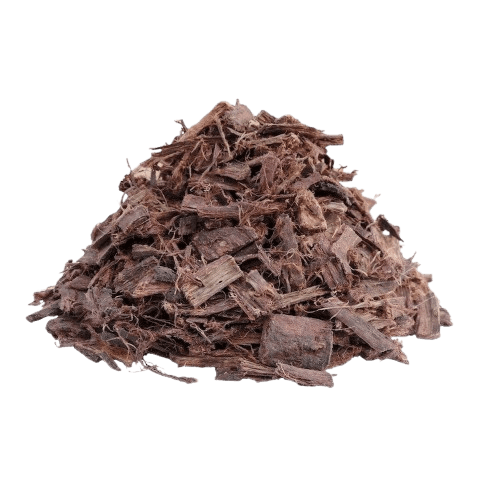

Mimosa Hostilis Root Bark has attracted attention among people interested in botanical materials, traditional plant uses, natural products, and ethnobotanical research. The plant is commonly associated with Mimosa tenuiflora, a thorny tree native to parts of northeastern Brazil and other regions of Latin America. Its bark has a long history of traditional use and continues to be discussed in botanical and cultural contexts.
Although it is sometimes marketed as a natural plant material, it is important to understand what Mimosa Hostilis Root Bark is, where it comes from, and how it differs from other botanical products. This article provides general information about the plant, its traditional background, characteristics, and considerations for people researching it.
What Is Mimosa Hostilis Root Bark?
Mimosa Hostilis Root Bark refers to the bark collected from the roots of Mimosa tenuiflora, a plant belonging to the Fabaceae family. The species has been known under the name Mimosa hostilis, which remains widely used in commercial and informal discussions.
The plant is a resilient shrub or small tree that can grow in dry and challenging environments. It is particularly associated with northeastern Brazil, where it has been used by local communities for generations. The bark has a distinctive reddish-brown to dark coloration and is often processed into smaller pieces or a powdered botanical material.
The exact appearance and characteristics can vary depending on the plant’s origin, harvesting conditions, processing methods, and storage.
Traditional Background
One of the most interesting aspects of Mimosa Hostilis Root Bark is its traditional history. Indigenous and local communities in parts of Brazil have used Mimosa tenuiflora for various practical and cultural purposes.
The bark has traditionally been associated with preparations used for skin and other external applications. Historical ethnobotanical accounts describe the plant as an important resource in regions where vegetation must withstand dry climates and limited rainfall.
The plant itself is valued beyond its roots. Different parts of Mimosa tenuiflora have been used for purposes ranging from traditional materials to environmental applications. This broader history helps explain why the species continues to attract interest from researchers and people interested in ethnobotany.
Botanical Characteristics
Mimosa tenuiflora is well adapted to warm and relatively dry environments. It can tolerate challenging soil and climatic conditions, making it an important plant in areas where other species may struggle.
The plant typically develops:
- Thorny branches
- Small, delicate leaves
- White or pale-colored flowers
- A woody stem
- An extensive root system
Its ability to grow in difficult environments is one reason the species has received attention in ecological and agricultural discussions.
The roots and bark contain naturally occurring plant compounds. However, the chemical composition of botanical materials can vary considerably depending on genetics, geographic location, soil conditions, age of the plant, and harvesting practices.
Mimosa Hostilis Root Bark and Natural Compounds
Like many plants, Mimosa Hostilis Root Bark contains naturally occurring chemical compounds. Researchers have investigated Mimosa tenuiflora because of its diverse phytochemical profile.
However, the presence and concentration of individual compounds should not be assumed to be identical between different batches or suppliers. A botanical product’s appearance alone cannot reliably determine its chemical composition.
For this reason, people researching Mimosa Hostilis Root Bark should distinguish between traditional descriptions, commercial claims, laboratory findings, and scientifically established evidence.
Potential Benefits and Traditional Uses
Mimosa Hostilis Root Bark is sometimes described online as having various natural benefits. Some traditional uses have focused on external applications involving the bark or other parts of the plant.
However, traditional use should not automatically be interpreted as proof of medical effectiveness. Scientific evidence for many claims surrounding botanical products may be limited, and the safety of consuming or using a plant product can depend on its preparation, concentration, individual health circumstances, and other factors.
Anyone considering a botanical product for a health-related purpose should consult a qualified healthcare professional rather than relying solely on online claims.
Why Is Mimosa Hostilis Root Bark Popular?
Several factors contribute to continued interest in Mimosa Hostilis Root Bark. Its history, unusual botanical characteristics, and connection to traditional plant knowledge make it an interesting subject for ethnobotanical research.
The plant is also notable because Mimosa tenuiflora is highly adaptable. In regions where drought and difficult soil conditions are common, resilient native plants can have considerable ecological importance.
Researchers and botanical enthusiasts may therefore study the species for reasons that extend beyond its commercial availability.
Environmental Importance of the Plant
Mimosa tenuiflora has ecological significance in areas where it naturally occurs. Like other plants adapted to dry environments, it can contribute to soil stability and vegetation recovery.
The species’ ability to survive harsh conditions makes it relevant to discussions about land restoration and sustainable plant management. In some areas, plants with strong root systems can help reduce soil erosion and support the development of vegetation in degraded landscapes.
This ecological perspective is an important part of understanding the plant rather than viewing its root bark only as a commercial botanical material.
Choosing Botanical Products Responsibly
Anyone researching Mimosa Hostilis Root Bark should pay attention to product information and applicable regulations. Botanical materials can vary significantly in quality, purity, and identification.
Before purchasing or handling any botanical product, consider whether the supplier provides clear information about the plant species, origin, processing, and testing. It is also important to check the laws that apply in your country or region because regulations concerning certain plant materials and their naturally occurring compounds can differ.
Avoid relying on exaggerated claims such as guaranteed health effects or claims that a product is completely risk-free simply because it comes from a plant.
Storage and Product Quality
Like many dried botanical materials, Mimosa Hostilis Root Bark can be affected by moisture, heat, light, and contamination. Poor storage conditions may reduce quality and encourage mold or other forms of deterioration.
Commercial botanical products should therefore be handled according to the supplier’s instructions. If a product develops an unusual odor, visible mold, excessive moisture, or other signs of contamination, it should not be used.
Proper identification is equally important because different plant species can have similar appearances when dried or processed.
Legal and Safety Considerations
The legal status of Mimosa Hostilis Root Bark can vary significantly by jurisdiction. Regulations may also depend on how a botanical material is sold, possessed, processed, or used.
For this reason, people should research current local laws before purchasing or possessing the material. Information found online may not accurately reflect the rules in a particular country or state.
It is also important not to assume that a naturally occurring plant product is automatically safe. Natural substances can have biological effects, interact with medications, or create risks for certain individuals.
Final Thoughts
Mimosa Hostilis Root Bark is a botanical material with a fascinating connection to Mimosa tenuiflora, traditional plant knowledge, and the ecology of dry regions of Latin America. Its distinctive history and botanical characteristics have made it a subject of continuing interest among researchers and plant enthusiasts.
Understanding Mimosa Hostilis Root Bark requires more than looking at commercial descriptions. Its traditional uses, botanical identity, chemical variability, ecological role, product quality, safety considerations, and legal status should all be considered.
For anyone researching this plant, reliable botanical and scientific information is preferable to unsupported claims. A careful approach can provide a clearer understanding of Mimosa Hostilis Root Bark while recognizing the differences between traditional knowledge, scientific evidence, and modern commercial marketing.
