
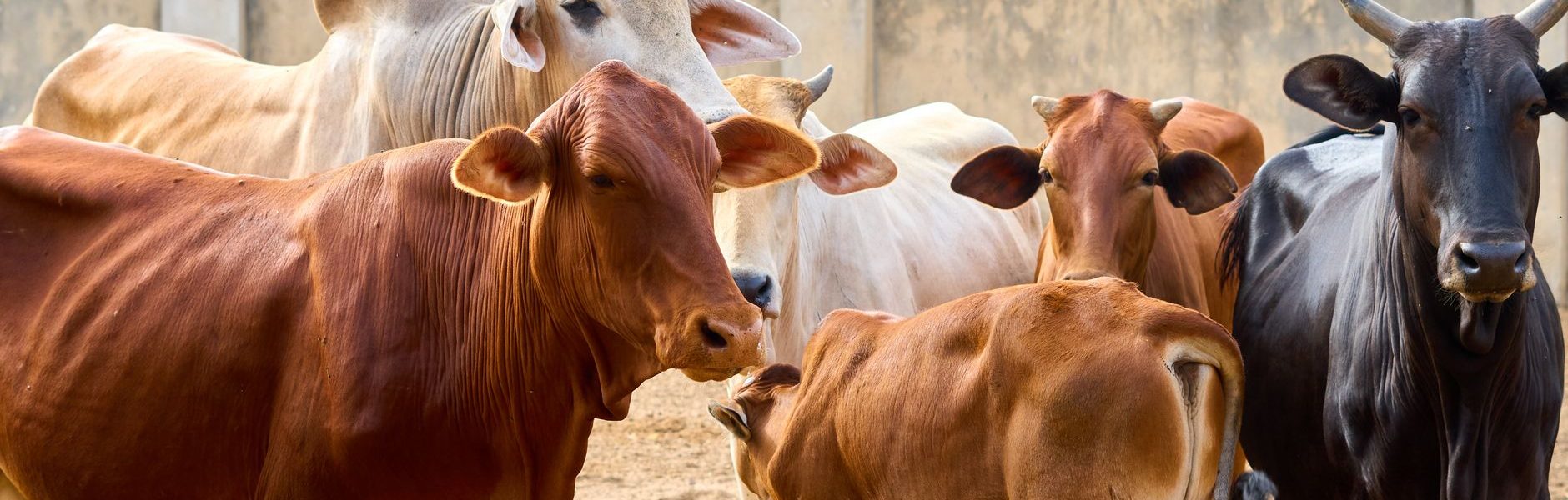

The Bovine Breeding Regulation Bill is set to transform livestock management in Odisha. This new legislation aims to establish clear guidelines for breeding practices.
Overview of the Bovine Breeding Regulation Bill
The Bovine Breeding Regulation Bill recently approved by the Odisha Cabinet aims to enhance livestock management and genetic improvement in the state. This legislation addresses key issues in bovine breeding, ensuring sustainable practices while promoting animal welfare.
The bill outlines specific provisions that include:
- Registration of breeders to maintain quality and accountability.
- Establishment of breeding guidelines to ensure optimal genetic traits in livestock.
- Monitoring and evaluation of breeding practices to prevent unethical methods.
- Support for local farmers through training and resources.
Overall, the Bovine Breeding Regulation Bill represents a significant step forward in improving the bovine population in Odisha, balancing economic benefits with ethical breeding practices.
Key Objectives of the Legislation
The Bovine Breeding Regulation Bill aims to address several critical aspects of livestock management in Odisha. The key objectives of the legislation include:
- Enhancing Genetic Quality: The bill seeks to improve the genetic quality of bovine breeds, ensuring healthier and more productive livestock.
- Regulating Breeding Practices: It establishes guidelines for responsible breeding practices to prevent unethical methods and promote sustainable livestock farming.
- Supporting Farmers: The legislation provides resources and training for farmers to better understand and implement effective breeding techniques.
- Ensuring Animal Welfare: By promoting ethical treatment, the bill emphasizes the welfare of bovines throughout the breeding process.
Overall, the Bovine Breeding Regulation Bill is designed to strengthen the livestock sector in Odisha, benefiting both farmers and the economy.
Impact on Livestock Quality in Odisha
The Bovine Breeding Regulation Bill is poised to significantly enhance the quality of livestock in Odisha. By establishing strict guidelines and standards for breeding practices, the bill aims to promote healthier and more productive cattle. This legislative move is expected to lead to:
- Improved Genetic Quality: Ensuring that only high-quality bulls are used for breeding will result in stronger offspring.
- Better Disease Management: Regulating breeding will help control the spread of genetic diseases within herds.
- Enhanced Milk Production: With better breeding practices, dairy farmers can expect an increase in milk yield.
- Support for Local Farmers: By improving livestock quality, the bill will help boost the economic status of local farmers.
Overall, the Bovine Breeding Regulation Bill is seen as a smart move towards sustainable agricultural practices in the state.
Government’s Role in Bovine Breeding
The government plays a crucial role in the implementation and success of the Bovine Breeding Regulation Bill. By setting clear guidelines and standards, it ensures that breeders adhere to best practices that promote animal welfare and genetic quality. The bill aims to regulate breeding practices through various measures, including:
- Establishing a licensing system for breeders to enhance accountability.
- Implementing regular inspections to monitor compliance with the established standards.
- Providing education and training programs for breeders to improve their knowledge and skills.
Additionally, the government will collaborate with local communities to raise awareness about the benefits of responsible breeding. This integrated approach is expected to foster a sustainable livestock sector, ultimately leading to improved productivity and economic growth in Odisha.
Stakeholder Reactions to the Bill
Stakeholder reactions to the Bovine Breeding Regulation Bill have been largely positive, with various groups recognizing its potential benefits. Farmers and livestock owners express optimism, believing the bill will enhance the quality of bovine breeds and improve their livelihoods.
- Local Farmers: Many local farmers commend the government for prioritizing livestock health, stating that quality breeding can lead to increased productivity.
- Veterinary Experts: Veterinarians highlight that regulated breeding practices will help control diseases and improve overall animal welfare.
- Animal Rights Activists: While some activists are cautiously optimistic, they emphasize the need for stringent enforcement of welfare standards within the bill.
Overall, the Bovine Breeding Regulation Bill is seen as a significant step towards modernizing the livestock sector in Odisha, fostering a more sustainable and productive agricultural environment.
Comparison with Other States’ Regulations
As states across India enhance their livestock management practices, the Bovine Breeding Regulation Bill stands out for its comprehensive approach. In contrast to states like Punjab and Haryana, which have more fragmented regulations, Odisha aims for a unified framework that promotes both quality and sustainability in bovine breeding.
Several key differences highlight Odisha’s innovative strategy:
- Unified Standards: Unlike many states with varying guidelines, Odisha proposes a consistent set of standards for breeding practices.
- Focus on Genetic Improvement: Other states often emphasize quantity over quality, whereas the Bovine Breeding Regulation Bill prioritizes genetic enhancement.
- Stakeholder Involvement: Odisha’s bill encourages active participation from farmers and breeders, a feature less emphasized in other regions.
This legislative move positions Odisha as a leader in effective livestock regulation.
Future of Animal Husbandry in Odisha
The future of animal husbandry in Odisha looks promising with the introduction of the Bovine Breeding Regulation Bill. This legislation is expected to enhance livestock management practices and promote the sustainable breeding of cattle across the state. By establishing stringent guidelines, the bill aims to ensure the genetic quality of bovines, which is crucial for improving milk production and overall herd health.
Moreover, the bill is likely to foster research and development initiatives, leading to innovative breeding techniques tailored to local conditions. With a focus on education and training for farmers, the legislation will empower them to adopt best practices in animal husbandry.
As Odisha positions itself as a leader in bovine breeding, the Bovine Breeding Regulation Bill could serve as a model for other states, potentially revolutionizing the animal husbandry sector across India.
Conclusion: Implications for Farmers and Breeders
In conclusion, the Bovine Breeding Regulation Bill represents a significant step forward for farmers and breeders in Odisha. By establishing clear guidelines and standards, the bill aims to enhance livestock quality while ensuring sustainable farming practices. This legislation is expected to:
- Bolster the economic stability of dairy farmers through improved breeding practices.
- Encourage the use of superior genetic material, resulting in healthier cattle.
- Promote environmentally friendly breeding methods that align with modern agricultural standards.
Farmers and breeders will need to adapt to these regulations, but the long-term benefits of increased productivity and animal health are likely to outweigh the initial challenges. As the state moves forward with the implementation of this bill, a collaborative approach among all stakeholders will be crucial to ensure its success and positive impact on the livestock industry in Odisha.
Photo by mhd_photos on Pexels
Read the original
Related reading
Ardian chip platform: Best proven investment opportunity · Phantom Blade Zero patch brings quick nerf and fixes · Android XR glasses release: Best proven features revealed
