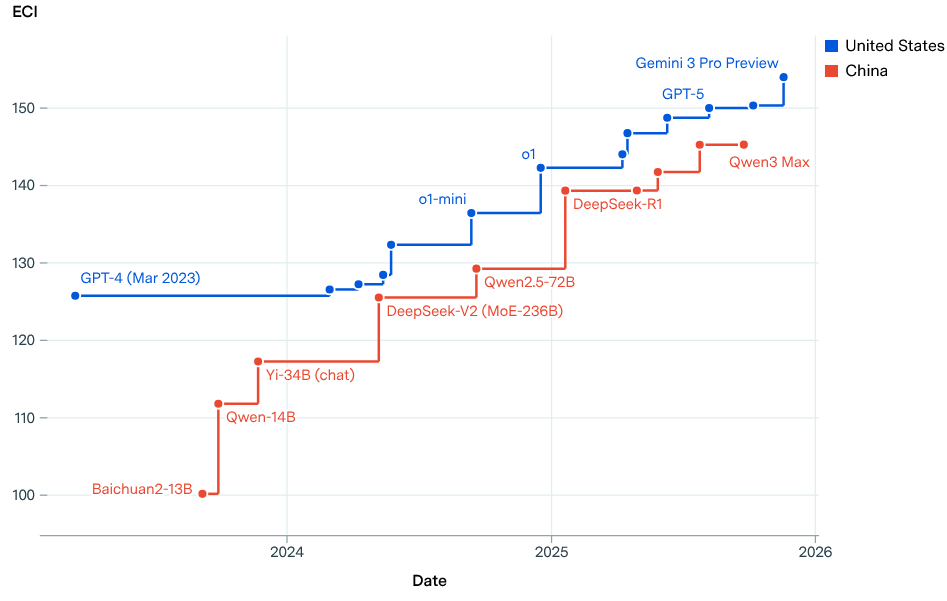

Chinese AI model development is currently facing significant challenges due to US restrictions and a crackdown on distillation practices. These obstacles threaten the growth and competitiveness of China’s AI sector.
Overview of Current Challenges
The development of Chinese AI models is currently facing significant challenges due to various external factors. One of the most pressing issues is the US restrictions on technology exports, which have made it difficult for Chinese companies to access critical hardware and software components necessary for building advanced AI systems. These restrictions have not only slowed progress but also raised concerns about the long-term viability of Chinese AI model development.
Additionally, the recent distillation crackdown has created further hurdles. This regulatory measure aims to restrict certain AI training methods that are deemed sensitive or potentially harmful, limiting the scope of research and innovation in the field. As a result, AI developers in China must navigate a complex landscape of compliance while striving to advance their technologies.
Furthermore, competition with international AI leaders complicates the situation. Chinese developers are under pressure to achieve breakthroughs while contending with the rapid advancements made by their counterparts in the US and Europe. As these challenges mount, stakeholders in China are reevaluating their strategies to ensure that their AI initiatives remain competitive and sustainable in the global market.
Impact of US Restrictions
The recent US restrictions have posed significant obstacles to the development of Chinese AI models. These limitations have impacted various aspects of research and technology transfer, creating a challenging environment for innovation.
Industry experts have noted several key areas where the restrictions have made a notable impact:
- Access to Technology: Chinese firms are facing difficulties in obtaining essential components and software necessary for building advanced AI systems.
- Collaboration Constraints: Partnerships between Chinese researchers and US institutions have been severely hindered, reducing opportunities for knowledge exchange.
- Market Dynamics: The restrictions have altered the competitive landscape, making it harder for Chinese companies to compete effectively in the global AI market.
- Talent Retention: The limitations have also affected the ability of Chinese firms to attract top-tier talent from abroad, further complicating development efforts.
As the landscape continues to evolve, the ramifications of these restrictions on Chinese AI model development will likely shape the future trajectory of the industry. The combination of external pressures and internal aspirations will require innovative strategies to navigate these challenges effectively.
Distillation Crackdown Explained
The recent crackdown on distillation practices has emerged as a significant hurdle for Chinese AI model development. Distillation, a process that simplifies complex models while retaining their performance, is crucial for enhancing efficiency and reducing the computational costs associated with training large AI systems.
As Chinese researchers strive to innovate and improve their AI capabilities, they face stringent regulations that limit access to vital resources and technologies. This crackdown has been fueled by concerns over national security and the potential misuse of AI applications. Consequently, many institutions are now hesitant to engage in distillation processes, fearing repercussions from authorities.
The implications of this situation are profound, impacting various sectors reliant on AI technologies, including:
- Healthcare: AI models that assist in diagnostics and treatment planning are under threat.
- Finance: Algorithms used for risk assessment and fraud detection are at risk of stagnation.
- Manufacturing: Automation and predictive maintenance initiatives could face delays.
As the landscape evolves, the focus will need to shift towards finding alternative methods to foster innovation in Chinese AI model development while navigating the complexities of regulatory frameworks.
Future of Chinese AI Models
The future of Chinese AI model development remains uncertain as the industry grapples with significant hurdles. Experts predict that the ongoing challenges could reshape the landscape of artificial intelligence in China for years to come.
Several key factors will influence the trajectory of AI models in the country:
- Innovation and Adaptation: Chinese companies are expected to focus on innovative solutions that can circumvent existing limitations. This may involve enhancing existing technologies or developing entirely new approaches to AI.
- International Collaboration: Despite restrictions, there may be opportunities for collaboration with non-U.S. entities. Partnerships with countries that have a more open stance towards technology sharing could provide a pathway for growth.
- Government Support: The Chinese government has been known to invest heavily in technology sectors. Continued funding and support for AI initiatives could bolster development and mitigate some challenges posed by external pressures.
- Talent Development: Building a skilled workforce will be crucial. Education and training programs focused on AI could help cultivate the necessary talent to push the field forward.
While the future is fraught with challenges, the resilience of the Chinese AI sector may ultimately lead to breakthroughs that redefine its capabilities.
Comparative Analysis with Global AI
The landscape of Chinese AI model development is increasingly influenced by a comparative analysis with global AI advancements. As nations like the United States and various European countries make significant strides in artificial intelligence, China faces unique hurdles that impede its progress.
One notable aspect is the level of investment in research and development. Countries leading the AI race allocate substantial funding to foster innovation, while Chinese developers struggle with the limitations imposed by international restrictions. This financial disparity results in a slower pace of technological advancement, with Chinese firms often lagging in cutting-edge AI capabilities.
Additionally, the availability of talent plays a crucial role in this comparative analysis. Many top-tier AI researchers and engineers are drawn to institutions in the West, where opportunities for collaboration and funding are more abundant. This talent drain poses a challenge for Chinese AI model development, as domestic companies work to attract and retain skilled professionals in a competitive environment.
In response, China is ramping up its efforts to cultivate homegrown talent and promote innovation through government initiatives. However, the question remains: can these measures effectively bridge the gap with global AI leaders?
Expert Opinions on AI Development
Experts in the field of artificial intelligence have voiced significant concerns regarding the future of Chinese AI model development, citing various challenges that could impede progress. According to Dr. Li Wei, a prominent AI researcher, “The restrictions imposed by the US on technology exports have created a significant gap in resources for Chinese developers. Without access to advanced hardware and software, the pace of development may slow considerably.”
Similarly, Professor Zhang Ming from Tsinghua University emphasized the importance of international collaboration, stating, “The ability to share knowledge and data is crucial for innovation. Current geopolitical tensions are making it increasingly difficult for Chinese institutions to collaborate with their global counterparts.”
Additionally, industry analyst Chen Ruo noted the impact of regulatory pressures, saying, “The recent crackdown on distillation practices has put further strain on developers who rely on these techniques to optimize their models. This could lead to a stagnation in the quality of AI outputs.”
As the landscape continues to evolve, experts are urging the Chinese government to foster a more supportive environment for AI innovation, which may be vital for overcoming these hurdles and ensuring the long-term success of Chinese AI model development.
Potential Solutions for AI Growth
As challenges mount in the realm of Chinese AI model development, industry experts are exploring potential solutions to foster growth and innovation. Addressing the multifaceted obstacles requires a comprehensive approach, emphasizing collaboration and resource optimization.
One potential solution lies in enhancing partnerships between academia and industry. By fostering relationships between universities and technology firms, China could accelerate research and development efforts, driving innovation in AI models. Additionally, universities can contribute to talent cultivation, ensuring a pipeline of skilled professionals to support the burgeoning sector.
Another avenue is the establishment of more robust funding mechanisms. Public and private investments can help bridge the gap created by international restrictions, allowing companies to invest in R&D without the constraints of external pressures. This financial support can also facilitate access to cutting-edge technology, even in the face of export limitations.
Moreover, creating an open-source ecosystem could prove beneficial. By encouraging collaboration among developers and companies, the sharing of knowledge and resources can lead to groundbreaking advancements in AI capabilities. Such initiatives not only strengthen domestic development but also position China as a competitive player on the global stage.
In summary, embracing collaboration, enhancing funding, and fostering open-source initiatives are integral to overcoming the challenges faced by Chinese AI model development.
Chinese AI model development is encountering significant hurdles due to regulatory constraints and the need for vast computational resources. As the global competition intensifies, Chinese AI model development must also navigate international collaborations and technological advancements.
By Luke Emberson via Openverse
Read the original
Related reading
Anoma A2 introduction: The Best Hands-On Guide You Need · Teachers’ Salaries Regulation: The Best Proven Benefits Explained · US chip curbs: What’s the real impact on AI models?