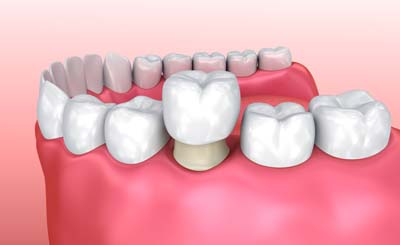
Dental crowns are a common dental restoration used to cover and protect a damaged or decayed tooth. They are typically made of porcelain or ceramic and are designed to fit over the top of a tooth, mimicking its natural shape and color. This blog post aims to explore how long dental crowns are functional and the factors that affect their lifespan.
Factors that affect the lifespan of dental crowns
The lifespan of a dental crown can be affected by several factors, including:
● Type of material used
Different types of materials used to make dental crowns have varying lifespans. For example, porcelain fused to metal crowns have a lifespan of 5 to 15 years, while all-ceramic crowns have a lifespan of 10 to 20 years.
● Quality of the dental lab
The quality of the dental lab where the crown is fabricated can also affect the crown’s lifespan. A reputable dental lab with experience in fabricating crowns will use high-quality materials and techniques, resulting in a longer-lasting crown.
● Location of the tooth
The tooth’s location in the mouth can also affect the crown’s lifespan. Teeth in the back of the mouth, such as molars, experience more biting force than teeth in the front of the mouth, such as incisors. Therefore, crowns on molars may not last as long as crowns on incisors.
● Patient’s oral hygiene habits
Proper oral hygiene, such as regular brushing and flossing, can help prolong a dental crown’s lifespan. Neglecting oral hygiene can lead to plaque and tartar buildup, damaging the crown.
● Quality of the dental work
The quality of the dental work, such as the fit and placement of the crown, can also affect the crown’s lifespan. A poorly fitting or placed crown is more likely to fail early.
Average lifespan of dental crowns
The average lifespan of dental crowns can vary depending on the type of material used. Some of the most common types of dental crowns and their average lifespan include:
- Porcelain fused to metal crowns: 5 to 15 years
- All-ceramic crowns: 10 to 20 years
- Zirconia crowns: 15 to 25 years
It’s important to note that these are averages, and the lifespan of a dental crown can vary depending on the individual case.
Maintenance and care for dental crowns
Proper maintenance and care can help prolong a dental crown’s lifespan. Some steps to take include:
- Proper oral hygiene: Brushing and flossing regularly to remove plaque and tartar buildup.
- Regular dental check-ups: Visiting your dentist to ensure the crown is in good condition and to address any issues that may arise.
- Avoiding habits that can damage the crown: Habits such as teeth grinding or biting hard objects can put additional stress on the crown and cause it to fail early.
- Proper diet: Eating a diet low in sugar and acid can help prevent tooth decay and damage to the crown.
Conclusion
In conclusion, dental crowns are an effective option for restoring damaged or decayed teeth, but they have a limited lifespan. The lifespan of a dental crown can be affected by several factors, including the type of material used, the quality of the dental lab, the location of the tooth, the patient’s oral hygiene habits, and the quality of the dental work.
Proper maintenance and care can help prolong a dental crown’s lifespan, and regular check-ups with your dentist can help ensure that the crown is in good condition. While dental crowns are not a permanent solution for damaged teeth, they can provide long-term protection and restoration for a damaged tooth and significantly extend the life of the tooth. It’s important to consider the longevity and durability of dental crowns when deciding on the best treatment option for your dental needs.
FAQ
- How long do dental crowns typically last?
The average lifespan of dental crowns can vary depending on the type of material used but typically ranges from 5 to 15 years for porcelain fused to metal crowns, 10 to 20 years for all-ceramic crowns, and 15 to 25 years for zirconia crowns.
- What are the factors that affect the lifespan of dental crowns?
The lifespan of a dental crown can be affected by several factors, including the type of material used, the quality of the dental lab, the location of the tooth, the patient’s oral hygiene habits, and the quality of the dental work.
- How can I ensure that my dental crown lasts as long as possible?
To ensure that your dental crown lasts as long as possible, it’s important to maintain proper oral hygiene, visit your dentist for regular check-ups, avoid habits that can damage the crown, and maintain a proper diet.
- Are there any affordable dental crown labs near me?
You can find affordable dental crown labs near you by searching online, visiting cayster, or asking your dentist for recommendations.
- Are any dental labs in NYC known for their quality work?
There are several dental labs in NYC that are known for their quality work. It’s important to check the reviews and portfolio of the lab before choosing one to ensure the quality of their work.