
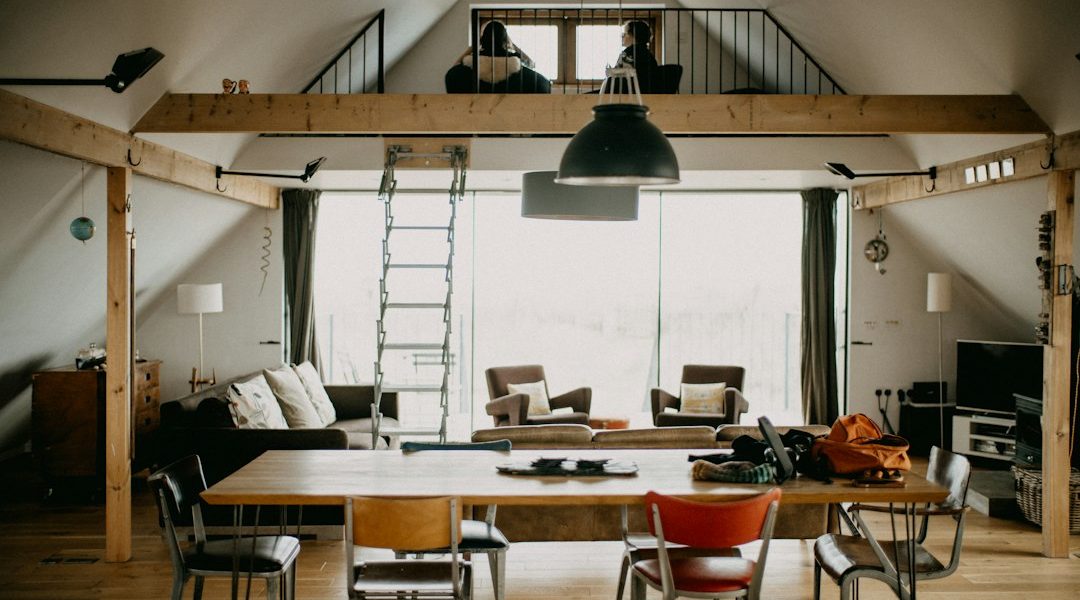

Every loft ladder ages differently depending on how often it climbs into action. A ladder used daily by a growing household faces entirely different stresses than one reserved for seasonal storage runs. Understanding this relationship helps homeowners choose materials that deliver genuine long-term value rather than premature replacement costs.
Loft ladders fall broadly into two camps: aluminium and timber. Each material ages on its own timeline, and matching that timeline to actual usage patterns is the smartest way to avoid wasted spending.
How Usage Frequency Shapes Lifespan
Frequent use accelerates wear on any moving mechanism. Hinges loosen, treads smooth down, and locking points lose precision faster when a ladder sees constant foot traffic. Aluminium ladders tend to hold their mechanical tolerance better under frequent cycling because the material doesn’t swell, shrink, or warp with humidity changes. Timber ladders, while sturdy, can develop slight movement in joints over time if used heavily in varying conditions.
For households accessing their loft several times a week, aluminium generally offers a longer service life with less maintenance intervention. For occasional use, timber’s slower wear pattern under light use makes it a perfectly durable, long-term option.
Does Maintenance Frequency Affect Material Choice?
Maintenance needs differ significantly between materials. Timber ladders benefit from periodic checks for surface wear, tightening of fixings, and occasional treatment to protect against moisture exposure, especially in lofts without proper insulation or ventilation. Aluminium requires far less upkeep, as it resists corrosion and doesn’t react to humidity the way untreated wood can.
This doesn’t mean timber is high-maintenance by nature. Many timber ladders are treated or sealed during manufacturing, extending their resistance to environmental wear considerably. The key is matching the maintenance commitment a homeowner is willing to make to the material’s natural characteristics.
What Role Does Sustainability Play in Loft Ladder Choice?
Sustainability considerations increasingly influence homeowner decisions. Timber, when sourced responsibly, is a renewable material with a lower manufacturing carbon footprint compared to metal processing. Aluminium, meanwhile, is highly recyclable at the end of its service life, and much of the aluminium used in ladder manufacturing already contains recycled content.
Choosing between the two from a sustainability lens often comes down to priorities: timber appeals to those valuing renewable sourcing, while aluminium suits those prioritizing recyclability and reduced long-term material waste.
Making the Long-Term Decision
Longevity isn’t just about which material is technically stronger. It’s about aligning the ladder’s natural wear characteristics with how a household actually lives. A loft used for everyday storage and regular access benefits from aluminium’s consistency. A loft visited occasionally for seasonal items may find timber’s warmth and solidity entirely sufficient for decades of reliable service.
Thinking through usage patterns before purchasing prevents the common mistake of over- or under-investing in a loft ladder. The right match between material and lifestyle ensures the ladder remains a dependable, low-hassle fixture in the home for years to come.
Quick Summary
- Aluminium ladders generally offer a longer service life with less maintenance for households accessing their loft several times a week.
- Timber ladders are more suitable for occasional use due to their slower wear pattern under light use, making them a durable option.
- Timber ladders require periodic maintenance checks, while aluminium ladders need far less upkeep due to their corrosion resistance.
- Sustainability considerations play a role in material choice, with timber being renewable and aluminium being highly recyclable.
- The choice between aluminium and timber should align with a household’s actual usage patterns to ensure long-term satisfaction and functionality.
