
Elephants impact ecosystem in significant ways, shaping their environment and the species that inhabit it. Their presence is crucial for maintaining ecological balance.
Understanding the Role of Elephants in Ecosystems
Elephants are often referred to as ecosystem engineers due to their significant influence on the environments they inhabit. Their impact on ecosystems is profound and multifaceted, affecting numerous species and habitats.
One of the key ways elephants shape their surroundings is through their feeding habits. As they graze on trees and shrubs, they create open spaces that promote biodiversity. This selective feeding allows sunlight to reach the forest floor, encouraging the growth of various plants. Consequently, this habitat alteration benefits a range of wildlife, including smaller herbivores and the predators that rely on them.
Furthermore, elephants play a crucial role in seed dispersal. Many tree species depend on elephants to transport their seeds over long distances. The seeds pass through the elephants’ digestive systems, often resulting in higher germination rates and healthier plants. This process not only promotes the growth of forests but also helps maintain the ecological balance.
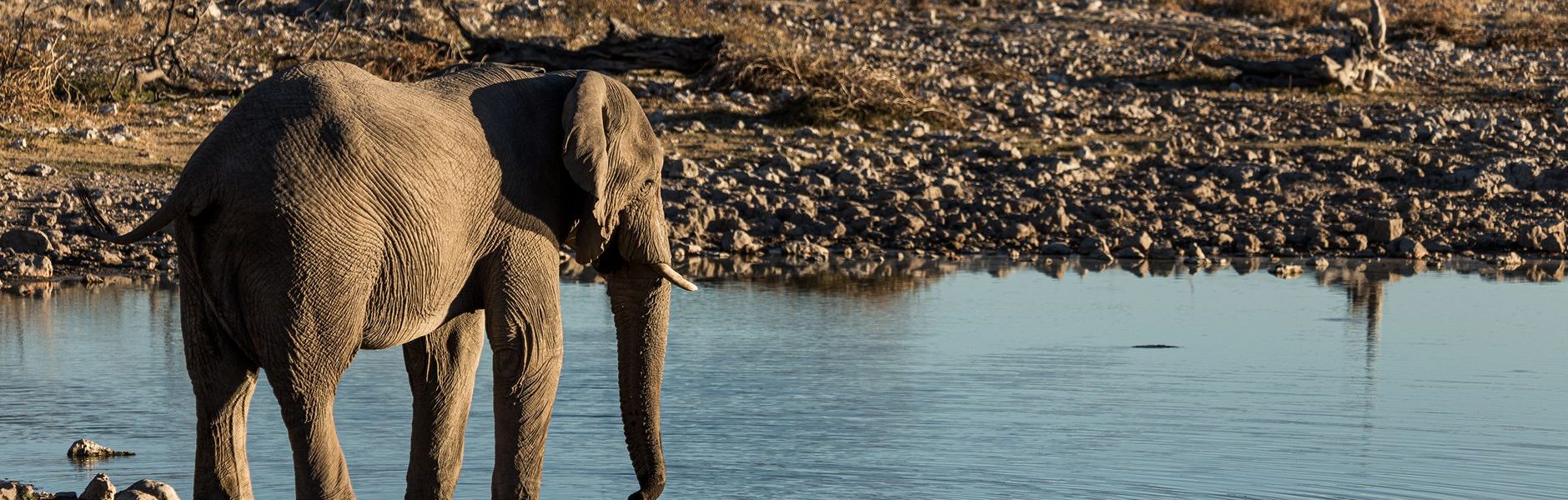
Their impact on water sources is equally important. Elephants dig wells in dry riverbeds, allowing other animals access to water during droughts. This behavior demonstrates how elephants contribute to the resilience of ecosystems, ensuring survival for various species.
In summary, elephants significantly influence their ecosystems. Their activities enhance biodiversity, promote plant growth, and sustain water resources, showcasing their vital role in maintaining ecological health.
The Ripple Effect of Elephants on Biodiversity
Elephants play a crucial role in shaping their ecosystems, often referred to as a keystone species. Their influence extends far beyond their immediate environment, leading to significant changes in biodiversity.
As they roam vast distances, elephants create and maintain open spaces within forests and savannas. This behavior encourages the growth of various plant species, which in turn supports a wide array of other animals. The following points highlight how elephants impact ecosystem health:
- Seed Dispersal: Elephants consume fruits and transport seeds, facilitating plant reproduction and diversity.
- Soil Aeration: Their movement tramples the ground, which helps in soil mixing and nutrient cycling, vital for plant growth.
- Water Access: When elephants dig for water in dry riverbeds, they create waterholes that benefit many other species during droughts.
- Grazing Patterns: By feeding on certain grasses and shrubs, elephants manage vegetation, allowing less dominant species to thrive.
The ripple effect of elephants on biodiversity is profound. Ecosystems that house healthy elephant populations tend to be more resilient and productive. As such, understanding the elephants’ impact ecosystem is critical for conservation efforts aimed at preserving both the species and the biodiversity they support.
How Elephants Shape Their Habitat
Elephants are often referred to as ‘ecosystem engineers’ due to their significant influence on their habitats. Their foraging behavior plays a crucial role in shaping the landscape, creating pathways that allow other species to thrive. As they consume vast amounts of vegetation, they prevent overgrowth, which benefits a variety of flora and fauna.
Moreover, elephants contribute to nutrient cycling in their environment. Their dung, rich in nutrients, serves as a natural fertilizer that promotes plant growth. This process not only supports the surrounding ecosystem but also helps sustain the diverse animal populations that rely on these plants for food. The presence of elephants can thus enhance the health of the ecosystem, creating a more vibrant and balanced environment.
In addition to their direct impact, elephants also influence the behavior and distribution of other species. For instance, smaller herbivores often follow elephants, taking advantage of the cleared areas and the nutrient-rich dung left behind. This interaction fosters a dynamic ecosystem where various species coexist and thrive.
Ultimately, the impact of elephants on their ecosystems is profound and lasting. Their ability to shape their habitat directly affects biodiversity and contributes to the overall resilience of the environment. As such, understanding how elephants impact ecosystems is vital for conservation efforts aimed at preserving these magnificent animals and their habitats.
The Importance of Elephant Conservation
Conserving elephant populations is crucial not only for their survival but also for the health of ecosystems where they reside. Elephants impact ecosystems in profound ways, acting as keystone species that help maintain the balance of their habitats. Their foraging habits create pathways that benefit other wildlife, and their dung acts as a natural fertilizer, promoting plant growth and sustaining a diverse range of organisms.
The decline of elephant populations can lead to significant disruptions in these ecosystems. As herbivores, they control vegetation growth, helping to prevent the overgrowth of certain plant species that could choke out others. This balance is essential for supporting various animal species, from insects to larger mammals. Without elephants, many areas could see a decline in biodiversity, as the intricate web of life begins to unravel.
Moreover, the loss of elephants can have economic consequences for communities that rely on ecotourism. Healthy elephant populations attract tourists, providing vital revenue that supports local economies and conservation efforts. Therefore, protecting elephants is not just about preserving a single species, but about ensuring the resilience of entire ecosystems and the livelihoods of the people who depend on them.
In summary, the importance of elephant conservation cannot be overstated, as their presence and behaviors significantly influence the ecological balance and the overall health of their environments.
Case Studies: Elephants and Ecosystem Health
Case studies have highlighted the profound impact elephants have on their ecosystems, showcasing how their presence can lead to substantial changes in the environment. One notable example is found in the African savannas, where elephants play a crucial role in maintaining the balance of the habitat.
Research indicates that elephants are known as “ecosystem engineers.” Their feeding habits, such as uprooting trees and stripping bark, help to create open spaces that benefit various other species. This activity promotes grass growth, which in turn supports herbivores like zebras and antelopes, demonstrating the interconnectedness of life in these areas.
Another case study from the Asian forests reveals similar effects. In regions where elephant populations thrive, the flora and fauna are diverse and resilient. These majestic creatures disperse seeds through their dung, leading to the regeneration of numerous plant species that are vital for the ecosystem’s health.
Additionally, elephants create waterholes that serve as crucial resources for a multitude of animals during dry seasons. The presence of these water sources enhances biodiversity and fosters a unique array of wildlife.
In conclusion, the impact of elephants on their ecosystems is undeniable. Their role in shaping environments not only sustains their own populations but also promotes broader ecological health, emphasizing the importance of their conservation.
Impact of Elephant Declines on Other Species
The decline of elephant populations has significant repercussions on various species and the broader ecosystem. Elephants are known as a keystone species, meaning their presence and activities are crucial for maintaining the ecological balance. When elephant numbers dwindle, the effects can be profound and far-reaching.
One major impact of elephant declines on other species includes:
- Loss of Habitat Structure: Elephants help shape their environment by uprooting trees and creating clearings. Their absence can lead to dense vegetation that many smaller species struggle to navigate.
- Changes in Food Availability: As seed dispersers, elephants aid in the germination of various plant species. Without them, the diversity of flora decreases, directly affecting herbivores that rely on specific plants for sustenance.
- Altered Water Sources: Elephants dig waterholes that serve as critical resources for other animals. A decline in elephant populations means fewer water sources, putting stress on both wildlife and surrounding communities.
- Increased Competition: With fewer elephants, other herbivores may flourish, leading to overgrazing and competition for resources, ultimately threatening their populations.
These factors underline the importance of elephants in sustaining biodiversity and highlight the profound impact that their declines can have on the ecosystem.
Community Involvement in Elephant Protection
Community involvement in elephant protection is crucial for maintaining the balance within ecosystems, as elephants play a significant role in shaping their environments. Many local communities have recognized the importance of elephants and have taken proactive steps to safeguard these majestic creatures.
One effective approach has been the establishment of community-based conservation programs that promote collaboration between conservationists and local residents. These initiatives often include:
- Education and Awareness: Local populations participate in workshops and training sessions to learn about the ecological importance of elephants and how their conservation directly impacts biodiversity.
- Anti-Poaching Initiatives: Communities are engaged in efforts to combat poaching, ensuring that elephants are protected from illegal hunting, which threatens their populations and disrupts the ecosystem.
- Eco-Tourism Development: By promoting eco-tourism, communities can benefit economically while fostering a sense of stewardship towards elephants, leading to sustainable practices that support both wildlife and livelihoods.
These collaborative efforts not only enhance the survival of elephants but also highlight their impact on the ecosystem. When communities actively participate in elephant protection, they contribute to a healthier environment, illustrating how interconnected human actions are with the natural world.
Future of Elephants and Their Ecosystems
The future of elephants is critical not only for their survival but also for the overall health of ecosystems where they reside. As keystone species, elephants play a vital role in shaping their environment, and their decline could lead to significant disruptions in these systems.
Conservation efforts must adapt to the changing landscape of their habitats. The primary challenges include:
- Habitat Loss: Urbanization and agricultural expansion continue to encroach on elephant territories, leading to fragmentation.
- Poaching: Illegal hunting for ivory and other body parts threatens elephant populations, directly impacting their role in the ecosystem.
- Human-Wildlife Conflict: As human populations grow, the likelihood of encounters with elephants increases, often resulting in negative outcomes for both parties.
To ensure elephants can continue to influence their ecosystems positively, it is essential to implement sustainable practices that involve local communities. Engaging these communities can foster a sense of ownership and responsibility towards elephant conservation efforts.
Ultimately, the future of elephants and their ecosystems hinges on collaborative initiatives that recognize the elephants’ impact on ecosystem stability. Protecting these magnificent creatures will, in turn, safeguard the biodiversity and health of the natural world.
Research has shown that elephants impact ecosystem health by creating water holes that benefit other wildlife during dry seasons. Additionally, their movement through forests helps to disperse seeds, demonstrating how elephants impact ecosystem diversity.
Photo by Bruno Almeida on Pexels
References
Related stories
GTA 6 PC Release: The Best News for Gamers in 2027 · AI-powered chemical synthesis: The Best Proven Platform · Google Gemini 4 Argon: The Best AI Model for Everyone