
Rosalind Franklin DNA contributions have often been overshadowed by others in the scientific community. This article explores the evidence that highlights her crucial role in the discovery of the DNA double helix.
The Legacy of Rosalind Franklin
The legacy of Rosalind Franklin continues to be a pivotal topic in the history of science, particularly regarding her contributions to the understanding of DNA. Despite facing significant challenges and biases during her career, Franklin’s meticulous research provided crucial insights into the structure of DNA.
Recent discussions highlight how James Watson suggested that Franklin missed key aspects of the DNA double helix. However, her notes reveal a different narrative, showcasing her profound understanding and the meticulous nature of her work.
Key points of her legacy include:
- Innovative Techniques: Franklin’s use of X-ray crystallography was groundbreaking and laid the foundation for future discoveries.
- Scientific Integrity: Her dedication to accuracy and detail exemplified the highest standards of scientific research.
- Recognition: Although often overlooked during her lifetime, Franklin’s contributions to the DNA discourse are now celebrated and acknowledged.
In reassessing the history of DNA, it becomes clear that Rosalind Franklin’s work is both essential and foundational.
James Watson’s Controversial Claims
James Watson’s recent remarks regarding Rosalind Franklin’s contributions to the discovery of DNA have ignited significant debate within the scientific community. He suggested that Franklin missed crucial elements of the DNA double helix structure, a claim that has been met with skepticism and criticism.
Watson’s assertion implies that Franklin’s work lacked the insight necessary to fully understand the implications of her own findings. However, many experts argue that her meticulous notes and research demonstrate a clear understanding of the DNA structure long before Watson and Francis Crick published their famous paper.
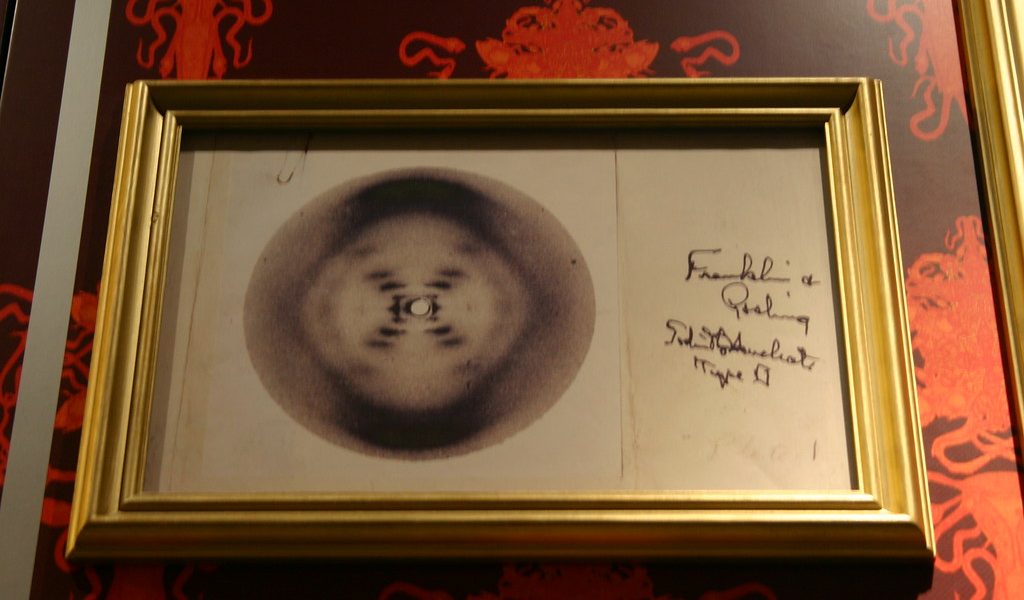
Notably, Franklin’s X-ray diffraction images, particularly the famous Photograph 51, provided critical evidence for the helical structure of DNA. Many scholars emphasize that she was well aware of the double helix model and its significance.
This controversy highlights the broader issue of recognition and attribution in scientific discoveries, especially regarding female scientists like Franklin, whose contributions have historically been overlooked.
- Importance of Franklin’s work: Pioneering research in DNA.
- Critical evidence: Photograph 51’s role in understanding DNA.
Understanding the DNA Double Helix
The structure of DNA, famously known as the double helix, has been a topic of intense research and debate. Within this context, Rosalind Franklin’s DNA contributions are often overshadowed by her male counterparts. However, her meticulous work laid the groundwork for understanding this iconic structure.
Franklin employed X-ray diffraction techniques to capture images of DNA, most notably Photograph 51, which revealed critical insights into its helical structure. Her notes and research indicated a clear understanding of the double helix long before it was publicly acknowledged by others.
Despite claims suggesting she overlooked the significance of her findings, Franklin’s documentation tells a different story. In her detailed observations, she noted the dimensions and symmetry of DNA, essential elements in the helix’s structure. This contrasts sharply with assertions made by James Watson, who implied that her insights were missed.
- Franklin’s X-ray images demonstrated the helical nature of DNA.
- Her work was pivotal in confirming the double helix model.
- Franklin’s notes reveal a deep understanding of molecular biology.
Key Contributions to Genetics
Rosalind Franklin’s work on DNA has been pivotal in shaping our understanding of genetics. Her meticulous research and innovative techniques laid the groundwork for significant breakthroughs in molecular biology.
- X-ray Crystallography: Franklin’s utilization of X-ray diffraction allowed her to capture the first clear images of DNA, which provided crucial insights into its structure.
- Photo 51: This famous image, taken by Franklin, revealed the helical structure of DNA and was instrumental in confirming its double helix shape.
- Data Analysis: Her comprehensive analysis of the physical and chemical properties of DNA contributed to the understanding of its dimensions and molecular arrangement.
- Collaboration and Conflict: Although her contributions were often overshadowed, Franklin’s collaborations with fellow scientists underscored the importance of teamwork in scientific discovery.
Ultimately, Rosalind Franklin’s insights into DNA not only advanced genetic research but also highlighted the often-overlooked role of women in science, paving the way for future generations of researchers.
Franklin’s Research Notes
Rosalind Franklin’s research notes provide a compelling insight into her critical role in the discovery of the DNA double helix. Her meticulous work in X-ray crystallography allowed her to capture the first clear images of DNA, which were essential for understanding its structure. Contrary to James Watson’s claims, her notes reveal that she fully grasped the significance of her findings long before the famous double helix model was proposed.
In her notes, Franklin documented her observations on the helical structure of DNA, emphasizing that the molecule’s dimensions and density were crucial to its function. This attention to detail highlights her deep understanding of the chemical properties of DNA, which often went unrecognized in the broader narrative of genetic research.
- Detailed Measurements: Franklin recorded precise measurements of DNA’s dimensions.
- Experimental Techniques: She developed innovative methods to capture DNA images.
- Critical Insights: Her notes contained crucial insights that supported the helical model.
Ultimately, Franklin’s contributions, as reflected in her research notes, underscore her pivotal role in the story of DNA.
The Impact of Gender in Science
The story of Rosalind Franklin’s contributions to the understanding of DNA is not only a tale of scientific discovery but also one deeply intertwined with the challenges faced by women in science. Despite her groundbreaking work, Franklin often encountered obstacles that her male counterparts did not. Her meticulous research on the DNA double helix was overshadowed by the recognition given to male scientists, particularly James Watson and Francis Crick.
Many believe that gender bias played a significant role in the narrative surrounding her legacy. Franklin’s insights into DNA were pivotal, yet her contributions were frequently downplayed or ignored. This phenomenon highlights the systemic issues present in the scientific community, where women’s achievements are often eclipsed by their male peers.
Furthermore, Franklin’s research notes reveal her profound understanding of DNA, contradicting claims that she had missed critical elements of the double helix structure. Her work emphasizes the importance of acknowledging the contributions of women in science, ensuring that histories reflect the true impact of figures like Rosalind Franklin on genetics.
Revisiting Historical Narratives
In recent discussions surrounding the groundbreaking discoveries in genetics, the narrative surrounding Rosalind Franklin’s DNA contributions often requires reevaluation. Historically, her role has been overshadowed by her male counterparts, particularly James Watson, who has controversially suggested that Franklin missed the significance of the DNA double helix structure. However, a closer examination of her research notes reveals a different story.
Franklin’s meticulous work with X-ray diffraction images provided crucial insights that were pivotal in the understanding of DNA’s structure. Her famous Photograph 51, for instance, offered critical evidence that informed subsequent models of the double helix. Despite Watson’s claims, it is clear that Franklin’s keen observations were foundational to the scientific community’s progress in genetics.
Moreover, the historical narratives surrounding her contributions highlight the broader themes of recognition and gender bias in science. As we revisit these stories, it becomes essential to acknowledge the full scope of Franklin’s influence and the need for equitable recognition in the field.
The groundbreaking work of Rosalind Franklin DNA has often been overshadowed by her male counterparts, yet her contributions were crucial to understanding the structure of DNA. By utilizing X-ray diffraction techniques, Rosalind Franklin DNA provided key insights that paved the way for the discovery of the double helix.
By Ryan Somma via Openverse
References
Related stories